
February 5, 2024

Can Dental Implants Extend Your Lifespan? What Science Says
In the quest for longevity, attention often focuses on diet, exercise, and medical care, but could the state of our teeth also play a significant role?
This blog explores the intriguing question: Can dental implants extend your lifespan?
Delving into the intersection of oral health and overall well-being, we will uncover scientific evidence to know about the potential impact of dental implants on longevity. We’ll examine the importance of oral health, the potential health benefits of dental implants, and the scientific studies that shed light on the connection between oral health and lifespan.
Read on to find out the intriguing connection between dental health and longevity, shedding light on the transformative power of dental implants beyond mere restoration.
Significance of Oral Health in Overall Well-being
- Oral health is integral to overall physical and mental well-being, impacting speech, nutrition, and self-confidence.
- Poor oral health can lead to various complications, including tooth decay, gum disease, and even systemic health issues like cardiovascular disease and diabetes.
- Maintaining good oral hygiene habits, such as brushing, flossing, and regular dental check-ups, is crucial for preventing dental problems and promoting overall health.
Introduction to Dental Implants
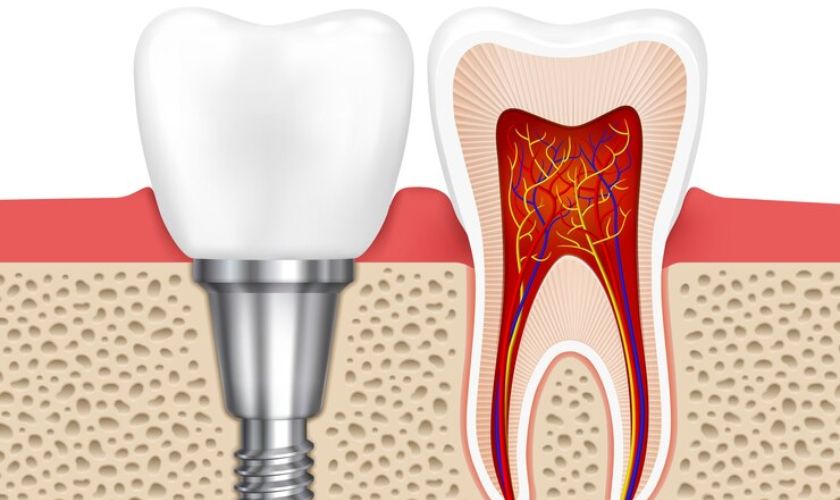
Dental implants offer a long-term solution for replacing missing teeth, restoring both function and aesthetics. Unlike traditional dentures, implants are surgically placed into the jawbone, providing stability and preventing bone loss. By mimicking the natural tooth structure, dental implants support surrounding teeth, preserving oral health and preventing further deterioration.
Potential Health Benefits of Dental Implants
- Research indicates that dental implants improve chewing efficiency and speech clarity, restoring normal oral function.
- Patients with dental implants report higher satisfaction with their ability to eat, speak, and smile confidently compared to those with missing teeth.
- Dental implants provide stability and comfort, eliminating discomfort or inconvenience often associated with traditional dentures.
Contribution to Improved Nutrition and Overall Health
- Dental implants allow individuals to enjoy a varied diet, including crunchy fruits and vegetables, which are essential for optimal nutrition.
- Improved chewing ability with dental implants facilitates better digestion and nutrient absorption, promoting overall health.
- By restoring oral function and confidence, dental implants may enhance social interactions and mental well-being, contributing to a better quality of life.
The Connection Between Oral Health and Longevity
Linking Poor Oral Health to Systemic Diseases and Reduced Lifespan
- Research has shown that poor oral health, such as gum disease, is associated with an increased risk of systemic conditions like heart disease, stroke, and diabetes.
- Chronic inflammation in the mouth can contribute to inflammation elsewhere in the body, exacerbating systemic diseases and potentially shortening lifespan.
- Studies have found correlations between tooth loss and mortality rates, highlighting the importance of oral health in overall longevity.
Implications of Restoring Oral Health with Dental Implants on Longevity
- Restoring oral health with dental implants may mitigate the risk of systemic diseases associated with poor oral health.
- By improving oral function and nutrition, dental implants may contribute to better overall health outcomes and potentially extend lifespan.
- Enhanced quality of life resulting from restored oral health may lead to positive lifestyle changes and habits that further promote longevity.
Findings from Scientific Studies on Dental Implants and Lifespan
- Studies have shown that dental implants can improve oral health and function, potentially reducing the risk of systemic diseases associated with poor oral health.
- Research suggests that individuals with dental implants experience improved quality of life and overall well-being compared to those with missing teeth.
- Long-term follow-up studies have demonstrated the durability and success of dental implants, supporting their role as a reliable tooth replacement option.
Factors Influencing Longevity with Dental Implants
Impact of Oral Hygiene and Dental Care
Proper Oral Hygiene: Regular brushing, flossing, and routine dental check-ups are crucial for maintaining oral health and prolonging the lifespan of dental implants.
Maintenance: Following post-implant care instructions provided by the dentist, including using prescribed oral rinses and attending follow-up appointments, is essential for implant longevity.
Addressing Complications: Prompt identification and treatment of any complications, such as peri-implantitis or implant failure, can help preserve the integrity of dental implants over time.
Influence of Lifestyle Factors and Health Conditions
- Smoking: Tobacco use has been linked to an increased risk of implant failure and complications, highlighting the importance of smoking cessation for implant longevity.
- Systemic Health Conditions: Conditions like diabetes and autoimmune disorders may affect implant healing and integration, necessitating careful management and monitoring.
- Bone Density and Quality: Adequate bone density and quality are essential for implant stability and longevity, making bone grafting procedures necessary in some cases.
The potential link between dental implants and longevity is a compelling subject that underscores the intricate relationship between oral health and overall well-being. Scientific evidence suggests that dental implants not only restore oral function and aesthetics but may also contribute to improved quality of life and potentially extend lifespan.
While existing research offers promising insights, further longitudinal studies are needed to establish a definitive connection between dental implants and longevity. Nevertheless, by prioritizing proper oral hygiene, regular dental care, and addressing lifestyle factors, individuals can maximize the success and longevity of dental implant treatment, reaping the benefits of restored oral health and potentially enhancing overall longevity.