

November 17, 2023

Can your Body Reject A Tooth Implant?
Have you ever wondered: Can your body reject a tooth implant? It’s a common concern among those considering dental implants as a solution for missing teeth. However, addressing misconceptions surrounding dental implants is crucial for making informed decisions about oral health. In this blog, we aim to provide accurate information to debunk myths and empower readers with knowledge about tooth implants. By unraveling the mystery behind implant rejection and highlighting the success of dental implant procedures, we aim to alleviate fears and equip you with the facts needed to navigate your dental journey confidently. Let’s dive into the world of dental implants and discover the truth behind this innovative tooth replacement option.
Understanding Tooth Implants
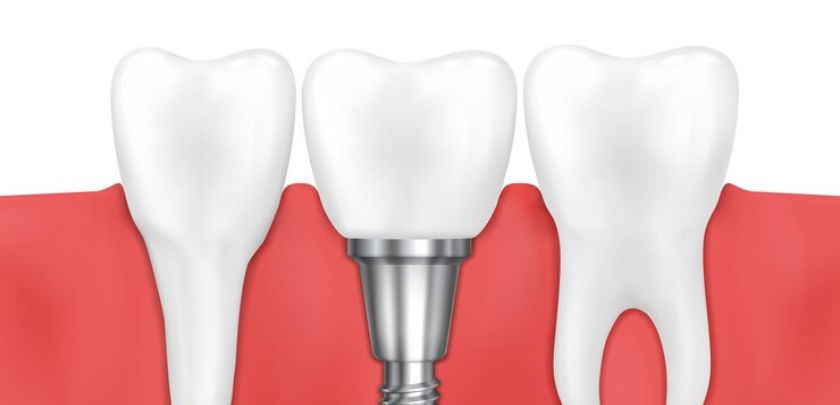
Tooth implants are titanium posts surgically placed into the jawbone to support artificial teeth. They serve as a durable and natural-looking solution for replacing missing teeth, restoring both functionality and aesthetics to the smile. Here’s a breakdown:
Definition and Purpose:
- Tooth implants act as anchors for dental restorations, such as crowns, bridges, or dentures, providing stability and support.
- They mimic the natural tooth root, preventing bone loss and preserving facial structure.
Materials Used:
- Dental implants are typically made of titanium, a biocompatible material that integrates well with the jawbone.
- Titanium implants have been extensively studied and proven to be safe and effective for long-term use.
Success Rate:
- Dental implant procedures boast a high success rate, with studies indicating success rates of over 95%.
- Proper planning, placement by a skilled oral surgeon, and adherence to post-operative care instructions contribute to the success of dental implant procedures.
Exploring Rejection Risks
Concerns about the body rejecting dental implants are common but often unfounded. While true implant rejection is rare, factors contributing to implant failure should be considered:
Common Concerns:
Some worry that their body may reject dental implants like it would with an organ transplant.
Fear of implant rejection may stem from misconceptions about the body’s response to foreign objects.
Risk Factors:
Poor oral hygiene practices can increase the risk of implant failure by leading to infection or inflammation around the implant site.
Medical conditions such as diabetes or autoimmune disorders may also affect the body’s ability to heal properly after implant placement.
Reassurance:
True implant rejection is exceptionally rare, with the vast majority of implant failures attributed to other factors.
Proper planning, placement by a qualified oral surgeon, and diligent post-operative care significantly minimize the risk of implant failure or rejection.
Immune Response vs. Implant Failure
Understanding the distinction between an immune response and implant failure is crucial in the context of dental implants:
Immune Response:
An immune response occurs when the body initially reacts to foreign objects, such as dental implants, by triggering inflammation or swelling. This response is a natural part of the healing process and typically resolves as the implant integrates with the surrounding tissue.
Implant Failure:
- Implant failure, on the other hand, refers to the inability of the dental implant to function as intended. This can occur due to factors unrelated to rejection, such as improper placement, infection, or inadequate bone integration. True rejection of dental implants by the body’s immune system is exceptionally rare.
While the body’s immune system may initially react to dental implants, it typically accepts them over time as part of the oral environment. The key to successful implant placement lies in proper planning, skilled placement by a qualified oral surgeon, and meticulous post-operative care.
Ensuring Success
Ensuring the success of dental implant procedures is paramount for long-term oral health:
Firstly, selecting a qualified and experienced dental implant specialist is essential. Choose a dentist or oral surgeon with expertise in implant placement to ensure proper planning and execution of the procedure.
Maintaining good oral hygiene is crucial for implant success. Brush and floss regularly to keep the implant site clean and free from plaque buildup, which can lead to infection and implant failure.
Additionally, attending regular check-ups with your dental provider is vital for monitoring implant health. These appointments allow for early detection of any issues or complications, ensuring prompt intervention and preserving the integrity of the dental implant.
By following these tips and prioritizing proper care and attention, you can maximize the success of your dental implant procedure and enjoy a healthy, functional smile for years to come.
Conclusion
In conclusion, it’s essential to understand that true implant rejection is rare, and concerns about this should not overshadow the numerous benefits of dental implants. Throughout this blog, we’ve explored the misconceptions surrounding dental implants and emphasized their high success rate. By addressing common concerns and distinguishing between immune responses and implant failure, we’ve provided clarity on this topic.
It’s crucial to seek accurate information and professional guidance when considering dental implants. Choosing a qualified and experienced dental implant specialist, maintaining good oral hygiene, and attending regular check-ups are key factors in ensuring the success of implant procedures.
Ultimately, readers should feel empowered to make informed decisions about their oral health. Dental implants offer a reliable and effective solution for tooth replacement, improving both function and aesthetics. With the right care and guidance, dental implants can provide long-lasting benefits and contribute to overall oral well-being.