

February 13, 2024

Do I need braces If Only One Tooth Is Crooked?
Welcome to our comprehensive guide on the necessity of braces when addressing the common dilemma of a single crooked tooth. Many individuals face this challenge, unsure whether braces are required to correct their misaligned tooth. It’s crucial to dispel misconceptions and seek accurate information to make informed decisions about dental treatment. In this blog, we’ll delve into the factors influencing the need for braces in correcting a solitary crooked tooth. From understanding the causes of misalignment to exploring treatment options, we aim to provide clarity and guidance for those navigating this concern. Our primary focus is to address whether braces are essential for achieving optimal dental alignment and ensuring overall oral health. Join us as we unravel the complexities of dental misalignment and empower you to make confident choices about your smile.
Understanding The Misalignment
Dental misalignment encompasses various forms, each presenting unique challenges and treatment considerations. Understanding these forms and their potential causes is essential when addressing a single crooked tooth:
- Crowding: Occurs when there is insufficient space for teeth to align properly within the dental arch.
- Spacing: Characterized by gaps or spaces between teeth due to excessive room within the dental arch.
- Protrusion: Involves teeth that extend outward beyond the normal alignment, affecting overall facial aesthetics.
Potential causes of a single crooked tooth include genetics, where inherited traits influence dental development, dental trauma causing displacement, and habits like thumb sucking affecting tooth positioning.
Impact On Oral Health
Leaving a single crooked tooth untreated can have significant implications for oral health, extending beyond mere aesthetics. Here’s a closer look at the potential consequences:
Difficulty chewing: Misaligned teeth can impair proper chewing function, leading to inefficient digestion and potential nutritional deficiencies.
Increased risk of decay and gum disease: Crooked teeth are harder to clean effectively, allowing plaque and bacteria to accumulate, heightening the risk of tooth decay and gum disease.
Jaw misalignment: Untreated misalignment can contribute to jaw discomfort, temporomandibular joint (TMJ) disorders, and uneven wear on teeth, impacting overall oral function and comfort.
Incorporating relevant statistics or studies underscores the importance of addressing misalignment promptly. Studies show that individuals with untreated misaligned teeth are more susceptible to dental problems, highlighting the significance of seeking timely intervention to maintain optimal oral health.
Treatment Options
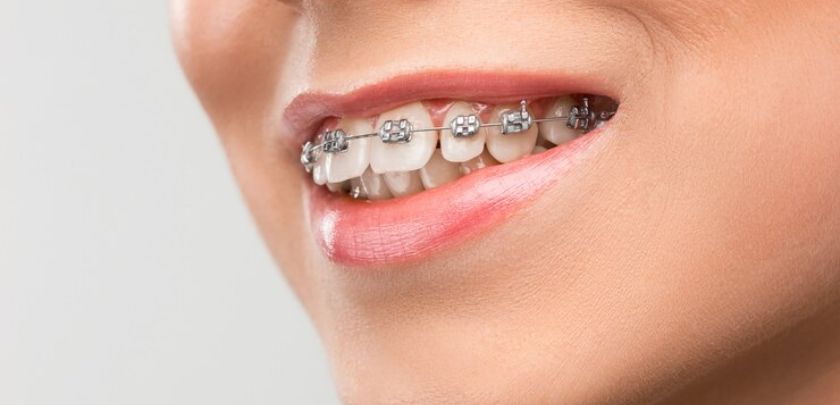
When it comes to correcting a single crooked tooth, several treatment options are available, tailored to individual needs and preferences. Braces remain a popular choice for addressing misalignment, effectively shifting teeth into their proper positions over time. Traditional braces consist of metal brackets and wires, offering precise control and comprehensive alignment correction.
Alternatively, clear aligners provide a discreet and removable option for mild-to-moderate misalignment cases. These transparent trays gradually reposition teeth without the need for brackets or wires, offering added convenience and aesthetics.
In cases where minor cosmetic improvements are desired, dental veneers present a viable solution. These thin porcelain shells are custom-made to cover the front surface of teeth, masking imperfections and creating a uniform appearance.
By discussing these treatment options with a qualified orthodontist or dentist, individuals can make informed decisions based on their specific needs, goals, and budgetary considerations. Each option offers unique benefits, ensuring a tailored approach to achieving optimal dental alignment and a confident smile.
Consultation And Evaluation
We strongly encourage readers to schedule a consultation with a qualified orthodontist or dentist for a thorough evaluation of their dental alignment concerns. A personalized treatment plan tailored to individual needs and goals is essential for achieving optimal results. When seeking an orthodontic provider, consider factors such as experience, credentials, and patient reviews to ensure you’re receiving quality care. Additionally, prepare for the initial consultation by compiling any relevant dental records or questions you may have about treatment options and expected outcomes. By taking proactive steps and seeking professional guidance, you can embark on the path to a straighter, healthier smile with confidence and peace of mind. Remember, your smile is a valuable asset, deserving of expert care and attention.
Conclusion
In conclusion, it’s crucial to recognize the significant implications of leaving a single crooked tooth untreated. Beyond cosmetic concerns, misalignment can lead to difficulties in chewing, increased risk of decay and gum disease, and even jaw misalignment, impacting overall oral health and well-being. Seeking professional guidance from a qualified orthodontist or dentist is paramount in determining the most suitable treatment approach for addressing misalignment effectively.
By taking proactive steps and consulting with a dental professional, individuals can explore various treatment options, such as braces, clear aligners, or dental veneers, tailored to their specific needs and goals. Investing in the health and appearance of your smile is a worthwhile endeavor, contributing to improved confidence and overall quality of life. Don’t hesitate to schedule a consultation and embark on the journey towards achieving a straighter, healthier smile today. Your dental professional is here to support you every step of the way.