
January 12, 2024

What Can You Not Eat With Permanent Veneers?
Welcome to our informative guide on the dietary restrictions associated with permanent veneers. For individuals with veneers, a common query arises: what foods should be avoided to protect these dental enhancements? Understanding dietary guidelines is paramount to maintaining the longevity and aesthetics of veneers. While permanent veneers offer a durable and aesthetically pleasing solution for enhancing smiles, certain foods can pose risks, such as damage or staining. By exploring the dietary restrictions and considerations associated with veneers, we aim to provide valuable insights to help individuals make informed choices about their diet. Whether you’re considering veneers or already have them, adhering to appropriate dietary guidelines can ensure your smile remains radiant and resilient for years to come. Join us as we delve into this important aspect of veneer care and discover how to preserve your smile’s beauty and functionality through mindful dietary choices.
Understanding Permanent Veneers
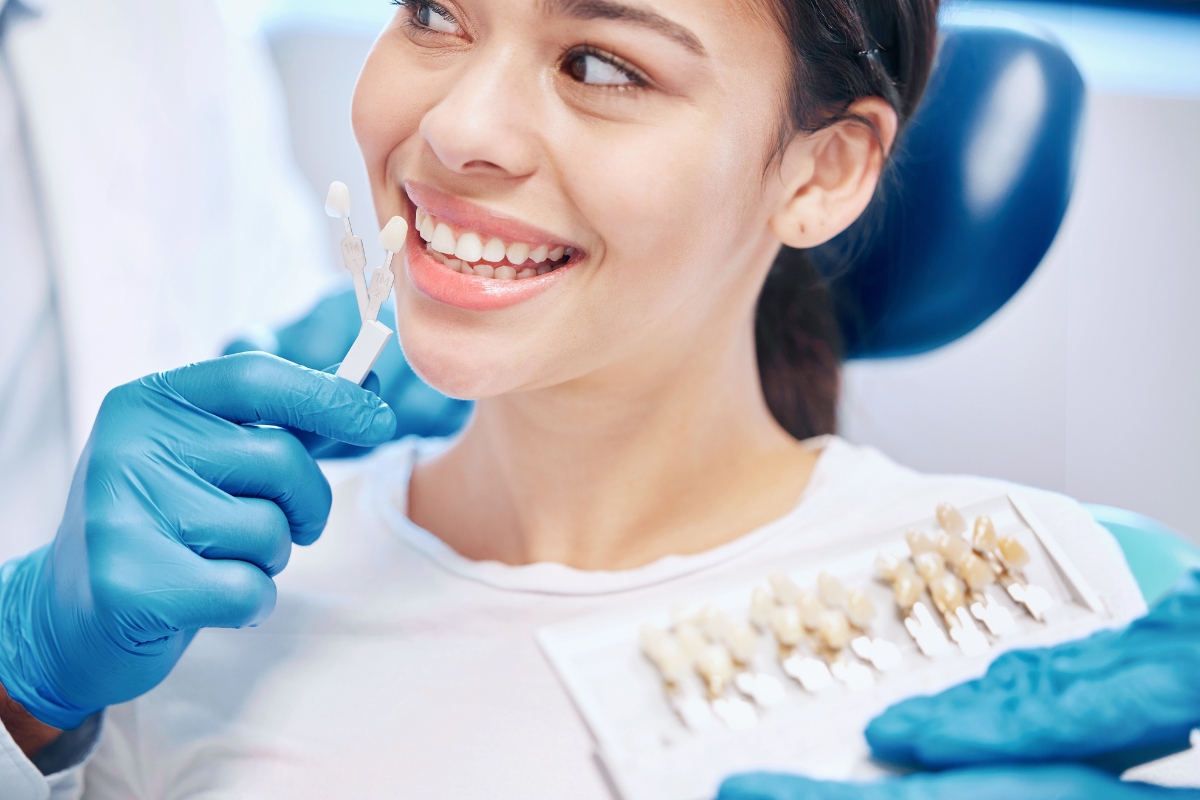
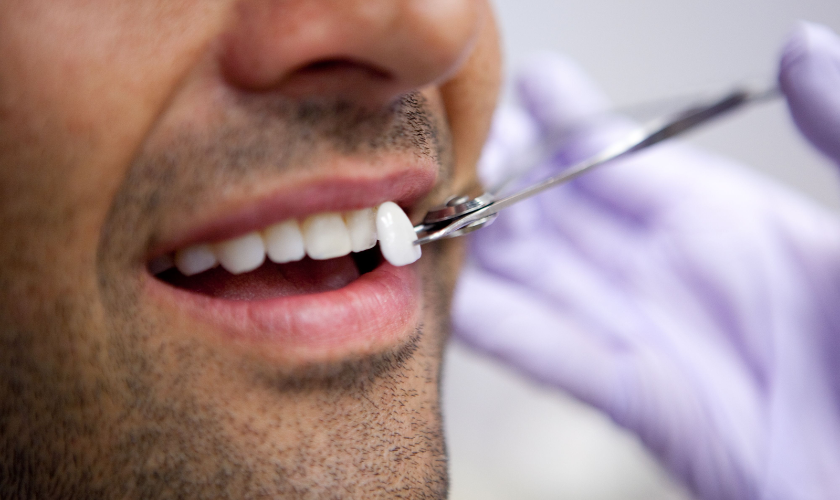
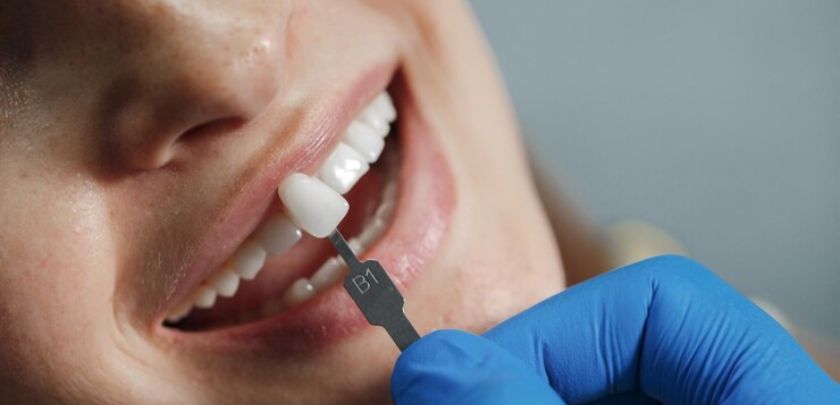
Permanent veneers are thin shells made of porcelain or composite resin that are custom-designed to cover the front surface of teeth, enhancing their appearance and correcting imperfections. Here’s an overview:
- Permanent veneers are a popular cosmetic dentistry option for improving the color, shape, size, or alignment of teeth, resulting in a brighter and more symmetrical smile.
- Porcelain and composite resin are the primary materials used in veneers, offering different advantages in terms of aesthetics, durability, and longevity.
- Porcelain veneers are highly durable and resistant to staining, providing a natural-looking appearance that mimics the translucency of natural teeth.
- Composite resin veneers are more affordable and can be fabricated directly onto the teeth in a single visit, although they may not last as long as porcelain veneers.
- Both types of veneers can effectively enhance smile aesthetics and boost self-confidence when properly maintained.
Foods To Avoid With Permanent Veneers
When it comes to protecting permanent veneers, certain foods should be avoided to prevent damage or staining. These include hard and crunchy foods, which can potentially chip or fracture the veneers. Sticky and chewy foods pose a risk of dislodging or pulling off the veneers, compromising their integrity. Additionally, foods and beverages high in acidity or pigment, such as coffee, tea, red wine, and citrus fruits, can stain or erode the surface of the veneers over time, diminishing their appearance. It’s important to avoid these foods to maintain the longevity and aesthetics of permanent veneers. By being mindful of dietary choices and avoiding foods that can harm veneers, individuals can preserve their smile’s beauty and functionality for years to come. Regular dental check-ups and professional cleanings can also help monitor the condition of veneers and address any concerns promptly.
Importance Of Oral Hygiene
Proper oral hygiene is paramount in preserving the integrity of permanent veneers and ensuring long-term oral health. Here’s why:
Regular brushing and flossing help prevent plaque buildup and maintain the cleanliness of both natural teeth and veneers, reducing the risk of decay and gum disease.
Using a soft-bristled toothbrush and non-abrasive toothpaste is recommended to avoid scratching or damaging the veneer surface.
Flossing daily is essential for removing food particles and plaque from between teeth and around the veneers.
Routine dental check-ups and professional cleanings are crucial for monitoring the condition of veneers and addressing any issues early on.
Avoiding tobacco products and excessive consumption of staining agents like coffee and red wine can help preserve the appearance of veneers.
By incorporating these tips into your oral hygiene routine, you can maintain the integrity and aesthetics of your permanent veneers for years to come.
Long-Term Care and Maintenance
Long-term care and maintenance are essential for preserving the longevity and aesthetics of permanent veneers:
- Adhere to a consistent oral hygiene routine, including brushing twice daily with a non-abrasive toothpaste and flossing regularly to prevent plaque buildup and maintain veneer cleanliness.
- Avoid habits like nail-biting, chewing on ice, or using teeth as tools, as these can potentially damage or dislodge veneers.
- Wear a protective mouthguard during sports or activities that pose a risk of dental injury.
Attend regular dental check-ups and professional cleanings to monitor the condition of veneers, detect any issues early, and ensure optimal oral health.
- Regular dental visits also provide an opportunity for your dentist to assess the fit and integrity of your veneers and make any necessary adjustments or repairs.
By following these long-term care practices and prioritizing regular dental check-ups, you can safeguard the longevity and aesthetics of your permanent veneers, preserving your smile’s beauty and functionality for years to come.