
June 10, 2024


Diabetes And Root Canal Treatment: Considerations For Patients
Diabetes, a chronic metabolic disorder characterized by high blood sugar levels, affects millions of people worldwide. Alongside its systemic implications, diabetes significantly impacts oral health, posing unique challenges for dental treatments like root canal procedures. Root canal treatment, a common dental procedure aimed at saving infected or damaged teeth, requires careful consideration and management in patients with diabetes.
In this blog, we delve into the intricate relationship between diabetes and root canal treatment, exploring the specific considerations and precautions necessary for diabetic patients undergoing this dental procedure. By understanding the implications of diabetes on oral health and the nuances of root canal therapy, patients can make informed decisions, and healthcare providers can deliver optimal care.
Read on as we navigate through the complexities of managing diabetes in the context of root canal treatment, shedding light on essential precautions, case studies, and patient experiences to empower individuals in their oral health journey.
Understanding the Relationship Between Diabetes and Oral Health
Diabetes profoundly affects oral health, with implications ranging from increased susceptibility to oral infections to delayed wound healing in the oral cavity.
Impact of diabetes on oral health:
- Increased risk of gum disease: Diabetes compromises the body’s ability to fight bacteria, leading to a higher risk of gum disease, also known as periodontal disease. This condition can manifest as gum inflammation, bleeding, and eventual tooth loss if left untreated.
- Greater susceptibility to oral infections: Individuals with diabetes are more prone to oral infections such as thrush (oral candidiasis) and bacterial infections. These infections can cause discomfort and may require prompt treatment to prevent complications.
- Delayed wound healing: High blood sugar levels characteristic of diabetes can impair the body’s ability to heal wounds, including those in the oral cavity. This delayed healing process can prolong recovery from dental procedures, including root canal treatment.
Connection between diabetes and dental complications:
- Increased risk of tooth decay: Diabetes can contribute to dry mouth (xerostomia), a condition characterized by reduced saliva production. Saliva plays a crucial role in neutralizing acids and remineralizing tooth enamel, so decreased saliva flow can elevate the risk of tooth decay.
- Exacerbation of existing dental issues: Diabetes can exacerbate pre-existing dental conditions such as cavities, gum disease, and oral infections. Proper management of diabetes is essential to prevent the worsening of these conditions and maintain oral health.
Importance of oral health in diabetes management:
- Bidirectional relationship: The relationship between diabetes and oral health is bidirectional, with each condition influencing the other. Poor oral health can exacerbate diabetes-related complications, while uncontrolled diabetes can worsen oral health outcomes.
- Role of preventive measures: Regular dental check-ups, proper oral hygiene practices, and timely treatment of dental issues are crucial for individuals with diabetes. These preventive measures can help mitigate the risk of oral complications and contribute to overall diabetes management.
Overview of Root Canal Treatment
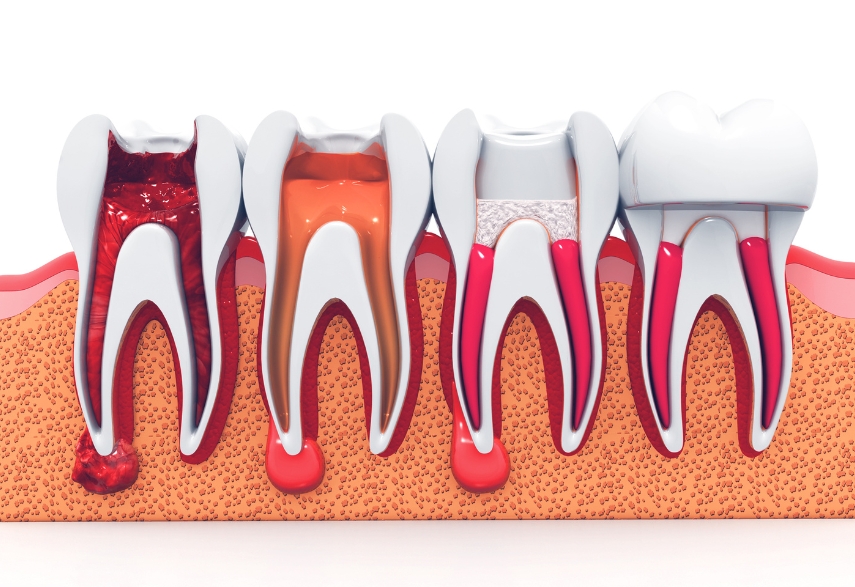
- Procedure overview: Root canal treatment, also known as endodontic therapy, involves the removal of infected or damaged pulp from the inside of a tooth. The pulp, which contains nerves, blood vessels, and connective tissue, can become infected due to decay, trauma, or other factors.
- Cleaning and shaping: During the procedure, the dentist carefully cleans and disinfects the root canal system to remove bacteria and debris. The canal is then shaped to prepare it for filling with a biocompatible material.
- Sealing the canal: Once cleaned and shaped, the root canal is sealed with a rubber-like material called gutta-percha to prevent recontamination and restore the tooth’s structural integrity.
Benefits of root canal treatment for patients:
- Pain relief: Root canal treatment alleviates the pain associated with tooth infections or inflammation by removing the source of infection and preserving the natural tooth structure.
- Preservation of natural teeth: Rather than extracting the affected tooth, root canal treatment allows patients to retain their natural teeth, which helps maintain proper chewing function and prevents adjacent teeth from shifting out of alignment.
- Prevention of further complications: By eliminating infection and sealing the root canal, root canal treatment prevents the spread of infection to surrounding tissues and reduces the risk of more serious dental issues such as abscesses or systemic infections.
Challenges and Considerations for Diabetic Patients
Increased risk of complications during dental procedures:
- Poor wound healing: Diabetic patients may experience delayed wound healing, increasing the risk of post-operative complications such as infections or excessive bleeding.
- Glycemic control: Fluctuations in blood sugar levels can affect the body’s ability to respond to dental procedures, leading to unpredictable outcomes and potential complications.
- Susceptibility to infections: Diabetes compromises the immune system, making diabetic individuals more susceptible to infections during and after dental procedures.
Effect of diabetes on healing after root canal treatment:
- Delayed healing: Diabetes can impair the body’s natural healing processes, prolonging the recovery time after root canal treatment.
- Increased risk of complications: Diabetic patients may experience a higher incidence of post-treatment complications such as persistent pain, swelling, or infection due to compromised immune function and impaired healing.
The importance of proper oral hygiene for diabetic patients:
- Control of oral infections: Maintaining good oral hygiene is essential for diabetic patients to prevent oral infections, which can exacerbate diabetes-related complications.
- Management of periodontal disease: Diabetic individuals are at a higher risk of developing periodontal disease, which can negatively impact glycemic control. Proper oral hygiene practices help prevent and manage periodontal disease, reducing the risk of diabetes-related complications.
- Routine dental care: Regular dental check-ups and cleanings are crucial for diabetic patients to monitor their oral health status and address any issues promptly. Dental professionals can provide personalized recommendations for oral hygiene practices tailored to the individual’s needs and medical condition.
Precautions and Steps for Diabetic Patients Undergoing Root Canal Treatment
Diabetic patients require special considerations to ensure safe and successful root canal treatment. Here are some precautions and steps to follow:
- Pre-treatment assessment and consultation with healthcare providers: Before undergoing root canal treatment, diabetic patients should consult with their dentist and primary care provider to assess their overall health status and discuss any potential risks or complications associated with the procedure.
- Monitoring blood sugar levels before and after treatment: It’s essential for diabetic patients to closely monitor their blood sugar levels before and after root canal treatment. Maintaining stable blood sugar levels helps reduce the risk of complications and promotes optimal healing.
- Tips for managing oral health post-treatment: After root canal treatment, diabetic patients should adhere to good oral hygiene practices to prevent infections and promote healing. This includes brushing and flossing regularly, using antimicrobial mouthwash as recommended by their dentist, and avoiding sugary or acidic foods that can exacerbate dental issues.
- Regular follow-up appointments: Diabetic patients should schedule regular follow-up appointments with their dentist to monitor their oral health status and address any concerns or complications promptly. This allows for early intervention and appropriate management of any issues that may arise.
For diabetic patients, understanding the implications of root canal treatment is crucial. By recognizing the relationship between diabetes and oral health, addressing challenges, and following precautions, patients can undergo treatment safely. Remember, proper management of diabetes and diligent oral hygiene are key to successful outcomes post-treatment.