
January 4, 2024


Signs You Need a Root Canal: Understanding Symptoms and Indications
Root canal treatment often evokes fear and apprehension, yet it stands as a crucial dental procedure for preserving teeth and alleviating pain. Understanding the indications for root canal therapy empowers individuals to recognize potential dental issues early, seek appropriate care, and maintain optimal oral health.
In this blog, we delve into root canals, shedding light on the signs and symptoms that may necessitate this procedure and the importance of timely intervention. As we embark on this exploration, we aim to demystify root canals, offering clarity on when they are needed and what to expect during the process.
Read on to learn all about root canals and equip yourself with the knowledge needed to make informed decisions about dental treatment.
What is a Root Canal?
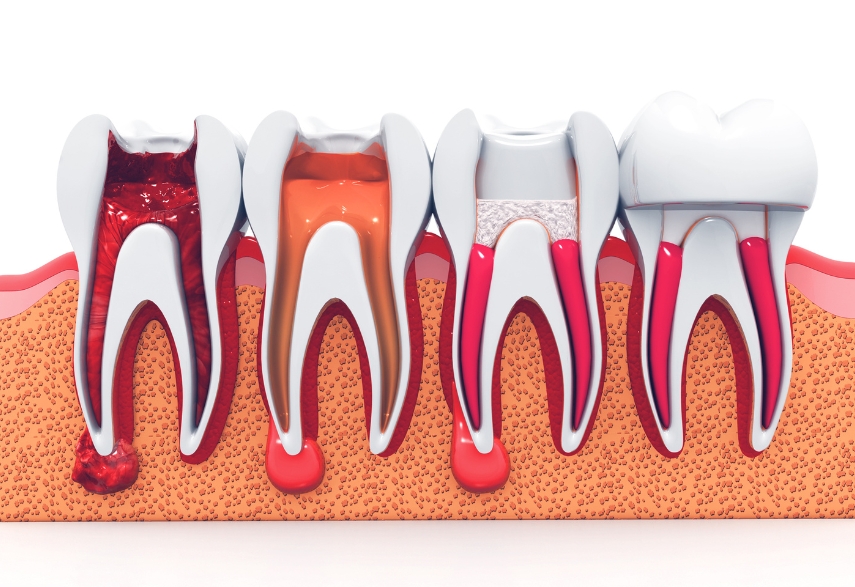
Root canal therapy involves the removal of infected or damaged tissue from the inner chamber of the tooth, known as the pulp. This procedure aims to save the tooth from extraction by cleaning and disinfecting the root canals, filling them with a biocompatible material, and sealing them to prevent further infection. Root canals are typically recommended when the tooth’s pulp becomes infected due to deep decay, trauma, or other dental issues.
Promptly addressing dental issues is essential to prevent complications such as abscess formation, severe pain, and tooth loss. Ignoring symptoms that may indicate the need for a root canal can lead to the spread of infection, compromising not only the affected tooth but also adjacent teeth and surrounding tissues. Seeking timely dental care ensures early intervention, preserving the natural tooth structure and promoting long-term oral health.
Signs Indicating the Need for a Root Canal
- Persistent Tooth Pain: Chronic or intense tooth pain, especially when biting or applying pressure, may indicate nerve damage or infection within the tooth.
- Sensitivity to Temperature: Heightened sensitivity to hot or cold foods and beverages, lingering even after the stimuli are removed, can signal underlying dental issues.
- Painful Gum Inflammation: Swollen or tender gums around a specific tooth may indicate infection or abscess formation.
Symptoms Signaling Underlying Dental Problems
Swelling: Facial swelling, particularly around the affected tooth or in the adjacent gums, can indicate the presence of an infection that may require root canal treatment.
Abscess Formation: The development of a pus-filled pocket (abscess) near the root of the tooth can cause severe pain, swelling, and a foul taste or odor in the mouth.
Recognizing these signs and symptoms is crucial for prompt intervention and successful treatment of underlying dental issues.
Understanding the Root Canal Process
Diagnosis: The dentist assesses the tooth’s condition through X-rays and clinical examination to determine if root canal therapy is necessary.
Access Opening: A small access hole is drilled into the tooth’s crown to reach the pulp chamber and root canals.
Cleaning and Shaping: The infected or damaged pulp tissue is removed, and the root canals are cleaned, shaped, and disinfected to eliminate bacteria and debris.
Filling and Sealing: The root canals are filled with a biocompatible material called gutta-percha, and a sealer is applied to prevent reinfection.
Restoration: A filling or crown is placed on the tooth to restore its shape, strength, and function.
Role of Endodontists
Endodontists are dental specialists trained in diagnosing and treating issues related to the dental pulp and root canals. They possess advanced skills and specialized equipment to perform root canal therapy efficiently and effectively. Endodontists focus on preserving natural teeth whenever possible, promoting optimal oral health and function.
Factors Leading to Root Canal Treatment
Tooth Decay: Advanced decay that penetrates the enamel and dentin can reach the pulp, necessitating root canal therapy to remove infected tissue.
Trauma: Physical injury to the tooth, such as a fracture or dislodgment, can damage the pulp and require root canal treatment to preserve the tooth.
Cracked Teeth: Cracks or fractures in the tooth can expose the pulp to bacteria, leading to infection and the need for a root canal to address the underlying damage.
Impact of Neglecting Oral Hygiene and Dental Checkups
Poor Oral Hygiene: Inadequate brushing, flossing, and routine dental care can lead to plaque buildup, which can progress to tooth decay and eventual pulp infection, necessitating a root canal.
Avoiding Dental Checkups: Skipping regular dental checkups deprives individuals of early detection and treatment of dental issues, increasing the risk of extensive damage and the need for root canal therapy.
Understanding these factors underscores the importance of maintaining good oral hygiene practices, attending routine dental checkups, and seeking prompt treatment for dental issues to prevent the need for root canal therapy.
Recognizing the signs and understanding the factors that may necessitate a root canal is essential for preserving dental health. Prompt intervention and professional care can alleviate discomfort, save teeth from extraction, and restore oral function. Prioritizing oral hygiene and regular dental checkups are key in preventing the need for root canal treatment.